
Website Redesign Services
Give Your Existing Website a New Direction
An outdated website can make information difficult to find, present your business inconsistently, or fail to reflect your current services.
Our website redesign services help businesses improve their online presentation while considering existing content, functionality, URLs, and technical requirements.
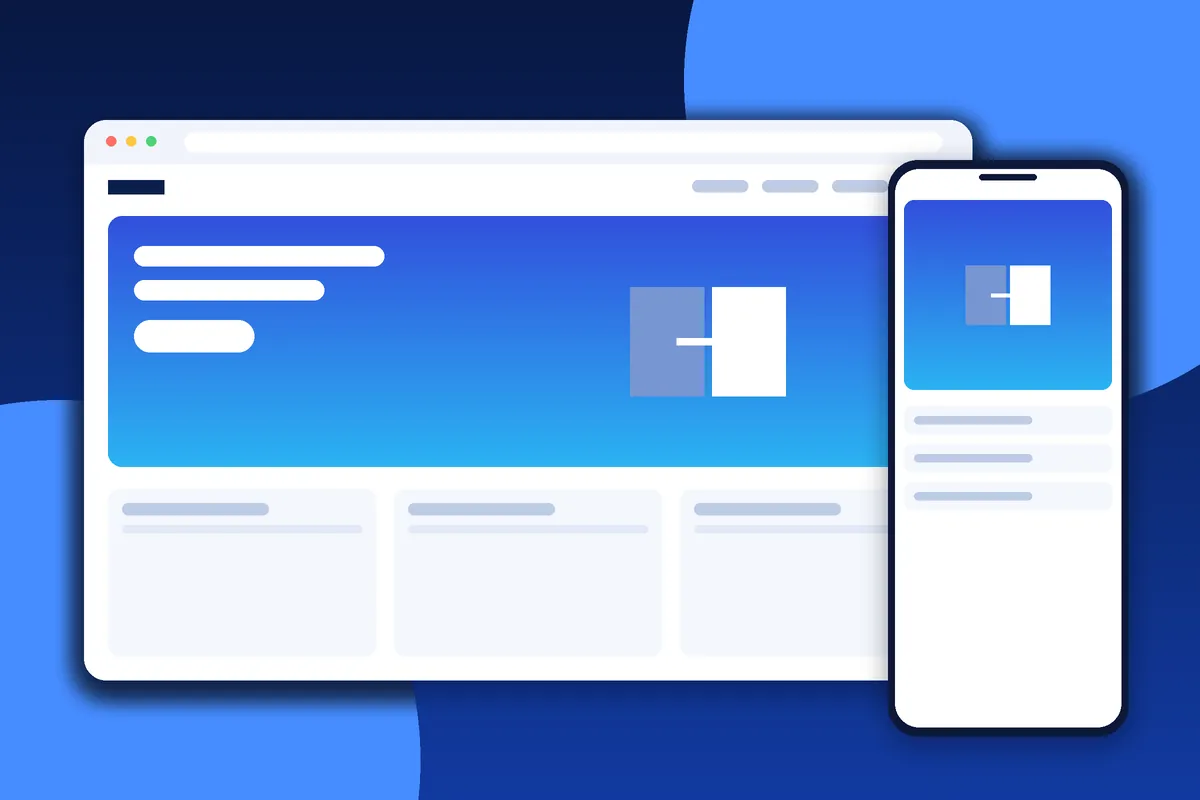
When Should You Redesign Your Website?
- The design no longer reflects your brand.
- Navigation is confusing.
- Important services are difficult to find.
- Mobile usability needs improvement.
- The website is difficult to manage.
- Your business has introduced new services.
- Your existing website requires new functionality.
- Your content structure no longer supports your goals.
Our Website Redesign Process
- Existing Website ReviewAssess the current layout, navigation, content, and important functionality.
- Redesign PlanningIdentify priorities, target pages, technical constraints, and migration requirements.
- New DesignCreate a visual direction aligned with your current brand and audience.
- DevelopmentImplement the approved layouts and required features.
- Content and URL ReviewPreserve valuable content and plan redirects where URLs must change.
- Testing and LaunchTest essential functions, responsive behavior, redirects, and important page destinations.
Protecting Existing SEO Value
A redesign should consider current URLs, metadata, indexed content, backlinks, internal links, and existing organic traffic.
Avoid changing URLs unnecessarily. Where URL changes are required, use appropriate redirects and monitor the results after launch.
Redesign or rebuild: choosing the right approach
Not every outdated website needs to be thrown away. Sometimes a refresh of the design, navigation and key pages is enough to modernise the experience while keeping what already works. In other cases the underlying structure, platform or content is so limiting that a more fundamental rebuild is justified.
We begin with an honest review of your current site: how it looks, how it performs, how easy it is to manage and how visitors move through it. From that assessment we recommend an approach and explain the reasoning, so you can decide whether a light update, a full redesign or a staged programme of improvements best fits your budget and goals.
What we review before changing anything
A redesign should be guided by evidence, not just taste. Before any layout is drawn, we look at the following areas:
- Which pages bring in visitors and enquiries today
- How the site is organised and whether visitors can find key services
- Content quality, accuracy and gaps
- Mobile usability and page loading behaviour
- Existing page titles, descriptions, headings and URLs
- Backlinks and internal links that carry search value
- Forms, integrations and tracking that must continue to work
If analytics or search data is available, we use it to identify what to preserve. If it is not, we can discuss how to start measuring from launch onward.
Protecting your existing search visibility
Redesigns can disrupt search visibility if they are handled carelessly. Changing URLs without redirects, removing pages that attract visitors or rewriting well-performing content can all cause losses. We aim to keep URLs stable wherever possible and to map every changed address to a relevant new page with a permanent redirect.
We also preserve valuable metadata, headings and internal links, and we check that important pages remain accessible to search engines after launch. No agency can promise unchanged rankings, because search results depend on many factors outside anyone's control, but careful planning reduces avoidable risk. Our guide to the website redesign process explains the steps in more detail.
Improving navigation, content and conversion paths
Many redesigns fail because they change the appearance without improving the experience. We pay attention to how visitors move from first impression to enquiry or purchase. That may mean simplifying the menu, rewriting unclear headlines, consolidating overlapping pages, strengthening calls to action or improving forms.
Content gets as much attention as design. We help you decide which pages to keep, update, merge or retire, and we plan templates that make new content easy to add. A clean structure gives you a stronger platform for future growth, including UI/UX design improvements.
Launching a redesign with confidence
Launch is a technical moment that deserves a checklist. We test the new site on a staging environment, verify redirects, check forms and tracking, review mobile layouts and confirm that search-related settings, such as indexing instructions, are correct before the old site is replaced.
After launch we monitor for broken links, missing pages and unexpected changes, and we fix issues quickly. If you are considering a redesign, tell us what is frustrating you about your current website through our contact page, and we will suggest a sensible next step.
Budgeting and phasing a redesign
A redesign does not have to happen all at once. Large websites can be improved in phases, starting with the pages that matter most to visitors and your business, such as the homepage, key service pages and contact path. Later phases can address secondary content, blog structure and additional features.
Phasing spreads the cost, reduces risk and lets you learn from each release. It also keeps part of the site stable while other areas are rebuilt. We discuss priorities with you, estimate each phase separately and agree what will be delivered, when approvals are needed and what happens to existing content. This approach is particularly helpful for organisations that cannot afford a long period of change on their entire website.
After launch: measure, learn and refine
A redesign is easier to improve once real visitors are using it. We suggest reviewing analytics, search data and enquiry volume over the following weeks, noting what changed and why. Small adjustments to headlines, layouts or navigation can then be made with evidence instead of guesswork. If you would like ongoing support, we can plan a series of improvements and discuss the scope separately.
Involving your team and customers
People who use your website every day often know exactly what frustrates visitors. We encourage conversations with sales, support and reception staff, and, where possible, with a few customers, before settling on a new structure.
Frequently Asked Questions
Will a redesign affect my Google rankings?
Rankings can fluctuate following a redesign. Careful planning, URL management, content preservation, and technical testing help reduce avoidable risks but cannot guarantee unchanged rankings.
Can you redesign a WordPress website?
Yes. We can review the existing WordPress setup and determine an appropriate redesign approach.
Can I keep my existing content?
Yes. Existing content can be retained, updated, reorganized, or replaced according to your goals.
Ready to Improve Your Website?
Share your current website URL and explain what you want to change.
Request a Website Redesign Quote